
Engineering Guide · 3 min read
Why Add Nickel? SAE 8620, 8640 and 4340 Steel Grades (J404)
Compare SAE 4320, 4340, 8620, 8630, 8640 and 8645: Ni, Cr and Mo ranges, low-carbon carburizing grades and medium-carbon hardening grades.
The short answer: SAE 43xx and 86xx combine nickel, chromium and molybdenum; low-carbon 8620 favors carburized cases, while 8640 and 4340 support through-hardening applications.
8620, 8640 and 4340 all contain nickel, chromium and molybdenum. Why do they appear in very different part specifications? The first split is carbon: a low-carbon carburizing grade has a different job from a medium-carbon through-hardening grade.
43xx and 86xx: related elements, different amounts
In SAE J404’s alloy-steel families, the selected 43xx grades carry substantially more nickel than the selected 86xx grades. Nickel contributes to toughness and hardenability; Cr and Mo add to the heat-treatment response. Carbon remains central to the attainable hardened condition. [1] [2]
| Grade | C (%) | Mn (%) | Ni (%) | Cr (%) | Mo (%) |
|---|---|---|---|---|---|
| 4320 | 0.17–0.22 | 0.45–0.65 | 1.65–2.00 | 0.40–0.60 | 0.20–0.30 |
| 4340 | 0.38–0.43 | 0.60–0.80 | 1.65–2.00 | 0.70–0.90 | 0.20–0.30 |
| 8620 | 0.18–0.23 | 0.70–0.90 | 0.40–0.70 | 0.40–0.60 | 0.15–0.25 |
| 8630 | 0.28–0.33 | 0.70–0.90 | 0.40–0.70 | 0.40–0.60 | 0.15–0.25 |
| 8640 | 0.38–0.43 | 0.75–1.00 | 0.40–0.70 | 0.40–0.60 | 0.15–0.25 |
| 8645 | 0.43–0.48 | 0.75–1.00 | 0.40–0.70 | 0.40–0.60 | 0.15–0.25 |
Heat analysis, mass percent; selected elements, not a complete purchase specification. Selected producer-handbook ranges labeled SAE J404-09. Si 0.15–0.35%, P ≤0.030%, S ≤0.040% for these rows. The low-carbon rows are distinguished from the medium-carbon through-hardening candidates. [3]
4320 and 8620 occupy the low-carbon side of the table. 8630 moves the carbon range upward. 8640 and 4340 share 0.38–0.43% C, but 4340 contains 1.65–2.00% Ni against 8640’s 0.40–0.70%, together with different Cr and Mo intervals. 8645 adds more carbon within the 86xx branch. [3]
8620: a hard case around a lower-carbon core
8620 is commonly selected for carburizing and case hardening. Carbon is introduced near the surface before the specified hardening treatment, creating a hard wear-resistant case while preserving a lower-carbon core. Gears, pins and other parts with a surface-contact requirement make this distinction useful. [4]
A drawing for a carburized 8620 part should state case depth, surface hardness and core requirements as applicable. Those requirements describe the intended result more precisely than the base grade alone. The case-hardening route also needs to account for dimensions that may change during heat treatment.
8640 and 4340: medium-carbon hardening grades
At 0.38–0.43% C, 8640 and 4340 are candidates for parts intended to develop strength through their section by quenching and tempering. 4340’s higher nickel content contributes to its hardenability and toughness potential. The actual toughness must still be established at the specified hardness, section size and test temperature. [5]
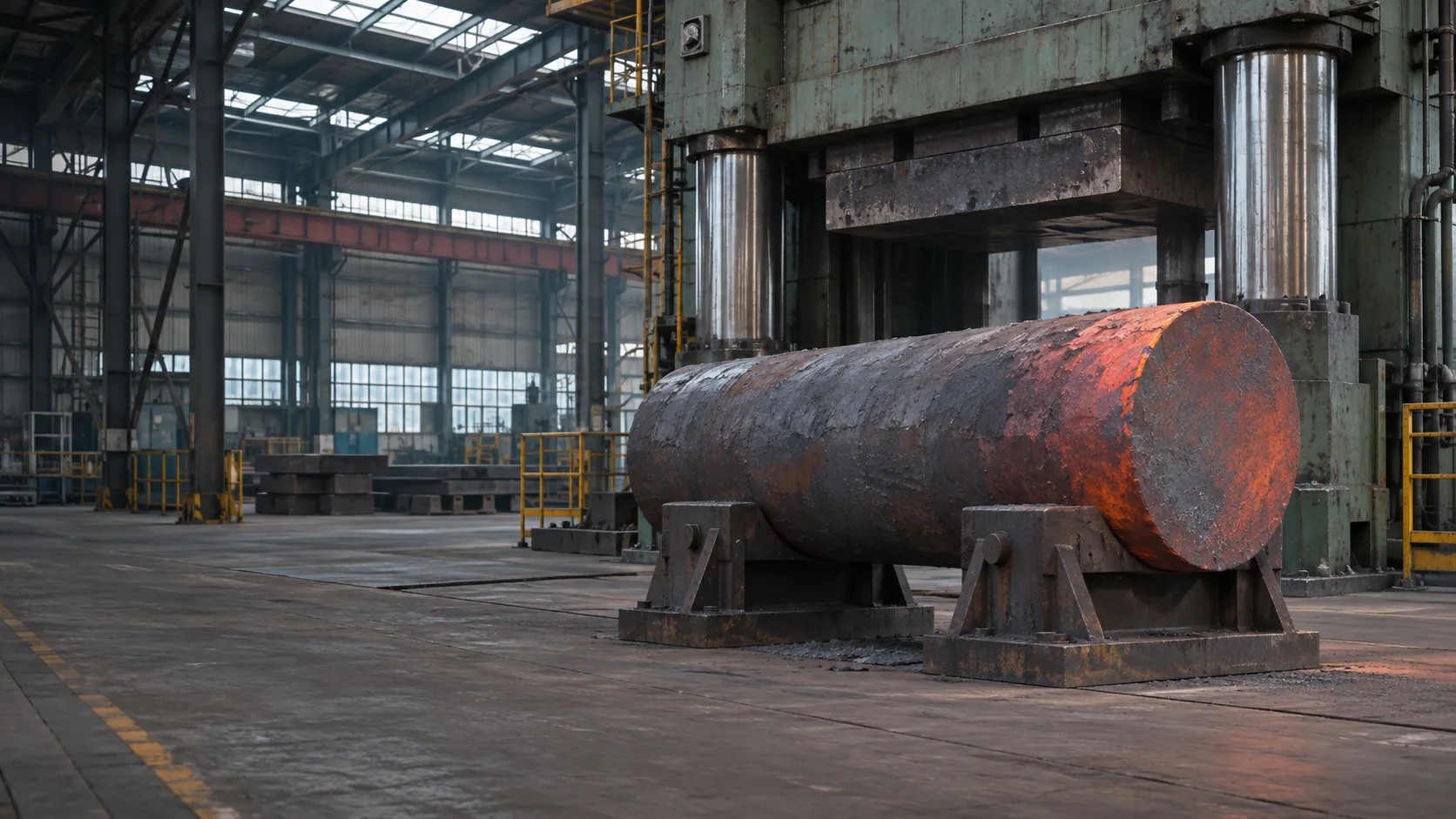
The figure places these alloys beside 4140 at the same listed carbon range. It shows what is added and how the alloy balance changes.

Choose between 8620 and 8640 by the required hardening route before comparing their alloy content. The larger grade number does not describe a higher finished strength. A carburized contact surface and a through-hardened structural shank are different material requirements.
When to consider nickel beyond 4140
Start with the section and required strength–toughness balance. If a suitable CrMo grade such as 4140 satisfies those requirements with the proposed heat treatment, more nickel may add cost without a useful benefit. Where the section or toughness requirement calls for a different alloy response, 8640 or 4340 provides another design option. [5]
Keep impact-test temperature and specimen requirements with any toughness target, and specify the final hardness or mechanical condition. For H-grade purchases, use the relevant hardenability-band requirements. This makes the comparison between alloys meaningful at the condition in which the part will actually be used. [6]
References
- SAE J404_200901 — Chemical Compositions of SAE Alloy Steels (revised January 2009)
- Nippon Steel, Special Steel Strip, U112en, section on the effects of alloying elements
- China Steel Corporation, Bar & Wire Rods Product Manual (2025), §§6.1.2, 6.1.16–6.1.18, pp. 13, 23–25
- Sullivan Steel, 8620 product technical description
- Metallus, Practical Data for Metallurgists, 19th edition (2024), pp. 4–7 and glossary
- SAE J1268_201005 — Hardenability Bands for Carbon and Alloy H Steels (May 2010)